Research
Design and Management of Artifact Systems for a Sustainable Society
1. Background and Overview
Our laboratory conducts research aimed at establishing an academic framework for the design and management of artifact systems appropriate for a sustainable society. In recent years, the term sustainability has become widely recognized, particularly through the Sustainable Development Goals (SDGs) adopted by the United Nations. Although the concept of sustainability is broad and sometimes ambiguous, many elemental technologies that contribute to reducing carbon dioxide emissions and promoting resource circulation have been proposed. To realize their intended benefits, these technologies must be systematically integrated into real-world systems without contradiction. The academic field that emphasizes such systemization is referred to as Sustainable System Design. This field is interdisciplinary, centered on design engineering, life cycle engineering, and environmental studies, while incorporating knowledge from various other domains (Fig. 1).
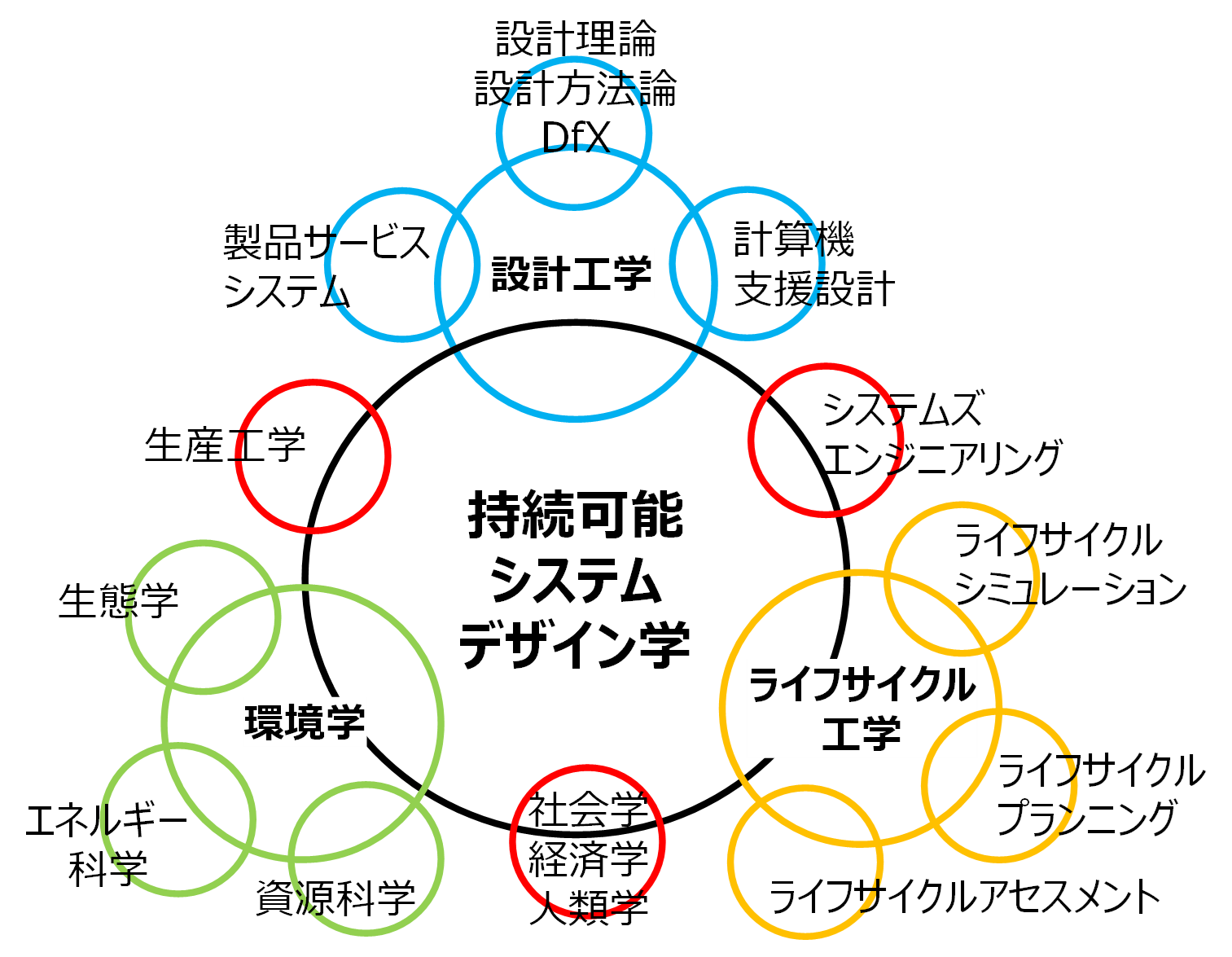
Fig. 1 Related academic fields and application areas of Sustainable System Design [1]
The focus of our research is on the state in which the basic needs of all people are satisfied with minimal resource consumption, as well as the transition processes toward such a state. Depending on the current conditions of the design target, research themes can be broadly categorized into two types (Fig. 2). One category concerns situations in which human basic needs are largely satisfied but through excessive consumption of resources, including not only mineral resources but also energy and water resources. This situation mainly applies to developed countries, where further improvements in resource efficiency are required. The other category concerns situations in which resource consumption is relatively low but basic human needs are not sufficiently satisfied. This situation applies to many people in developing countries where economic development is limited. However, even in Japan, some individuals and communities experience insufficient satisfaction of basic needs. In such cases, research themes are formulated from the perspective of human basic needs fulfillment.
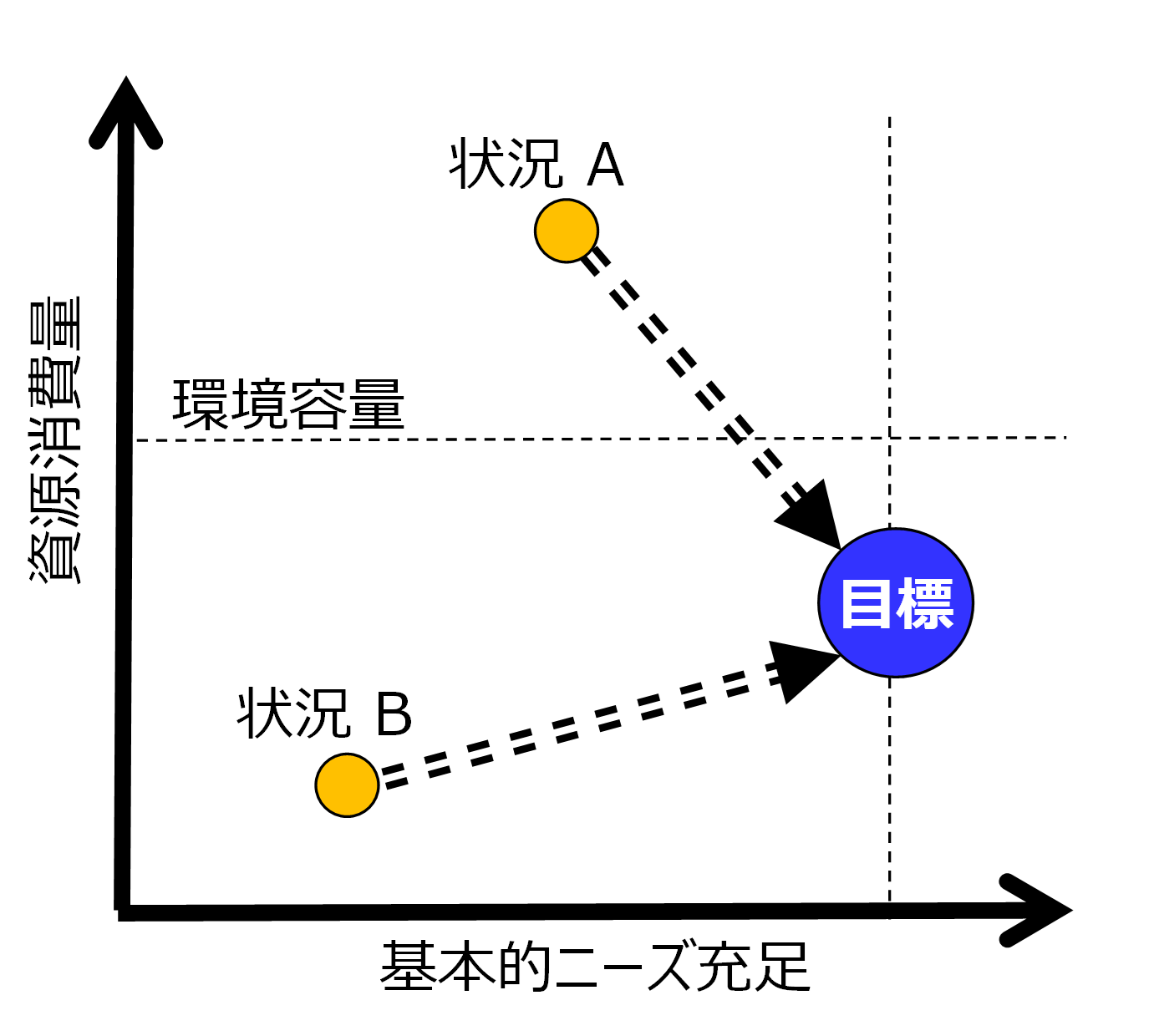
Fig. 2 Conceptual diagram illustrating the classification of research themes [1]
Regardless of the theme, life cycle thinking, which evaluates systems across the entire lifecycle from production to disposal, forms the core of our research, together with the systemization of the lifecycle based on this perspective (Fig. 3). Environmental impact assessment based on lifecycle thinking is widely known as Life Cycle Assessment (LCA). In our laboratory, for example, we have conducted scenario-based carbon footprint (lifecycle CO₂) evaluations of passenger vehicles using synthetic fuels, which are expected to become future fuels [2]. In addition to lifecycle systemization, our laboratory incorporates “systemization of industries” and “systemization of consumption”, and conducts research with a view toward the relationships among these systemized elements—namely Systems of Systems (SoS).
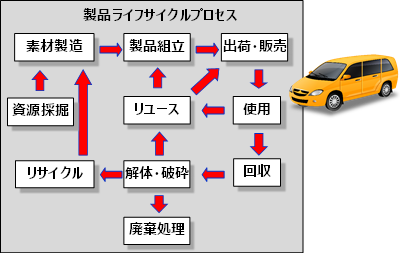
Fig. 3 Lifecycle thinking that considers all stages before and after product use
2. Research Topics
2.1 Integrated System Evaluation of Carbon Neutrality and the Circular Economy
Our laboratory conducts academic research to quantitatively evaluate the environmental and social impacts of the temporal and spatial diffusion of new technologies, products, and services, as well as to analyze their potential side effects. Two major concepts currently attracting significant attention in sustainability research are carbon neutrality and the circular economy. Carbon neutrality refers to the goal of achieving net-zero CO₂ emissions across society, a target emphasized in the Paris Agreement. The circular economy, while technologically related to the concept of inverse manufacturing originally proposed in Japan in the 1990s, has been restructured in Europe as an economic policy package aimed at strengthening industrial competitiveness.
Artifact systems are being implemented in society while becoming increasingly complex. As a result, interactions and dependencies may emerge among systems that previously appeared unrelated. For example, technological innovations in CASE (Connected, Autonomous, Shared, and Electric) within the automotive industry are triggering the systemization of industries, involving not only other transportation modes but also the energy and telecommunications sectors. Such complex systems continuously evolve rather than remaining fixed, and can therefore be regarded as Systems of Systems. From an environmental perspective, CO₂ emissions and resource consumption are key concerns. Our laboratory focuses on a super-system formed by interconnected artifact lifecycle systems, called Connected Lifecycle Systems (CoLSys) (Fig. 4). To analyze such systems, we developed a lifecycle simulation methodology (LCS4SoS) that treats product and component flows within the super-system as discrete events [3,4]. By using material flow as the central axis and calculating the associated energy flows, the system can be comprehensively evaluated from both carbon neutrality and circular economy perspectives.
Applications of this methodology include:
- Lifecycle simulations incorporating the reuse of EV batteries for secondary applications (global reuse or repurposing) [5]
- Lifecycle simulations that incorporate decision-making models reflecting both industry-wide CO₂ emission trends and competitors’ behavior (Fig. 5) [6]
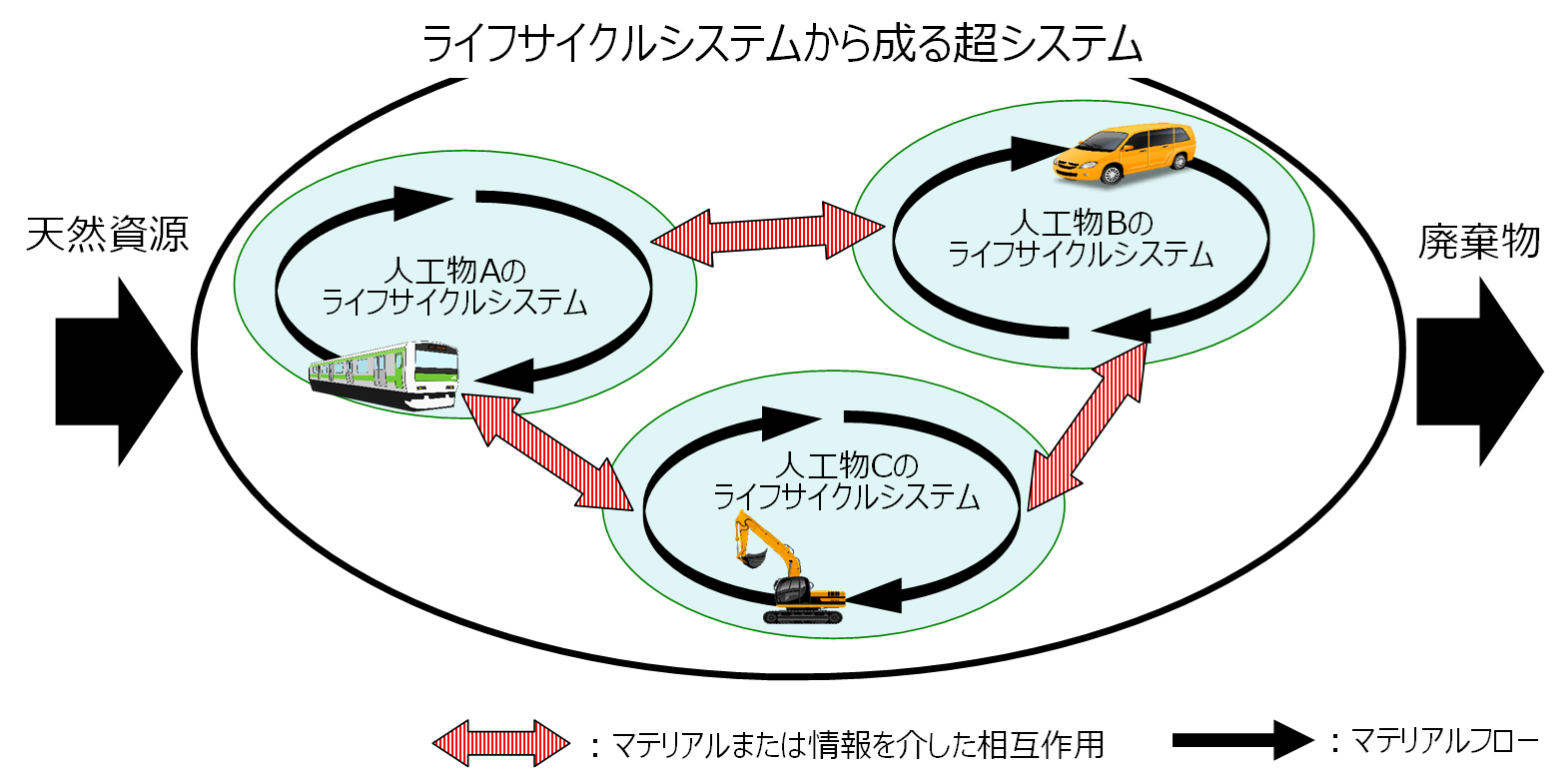
Fig. 4 Concept of Connected Lifecycle Systems
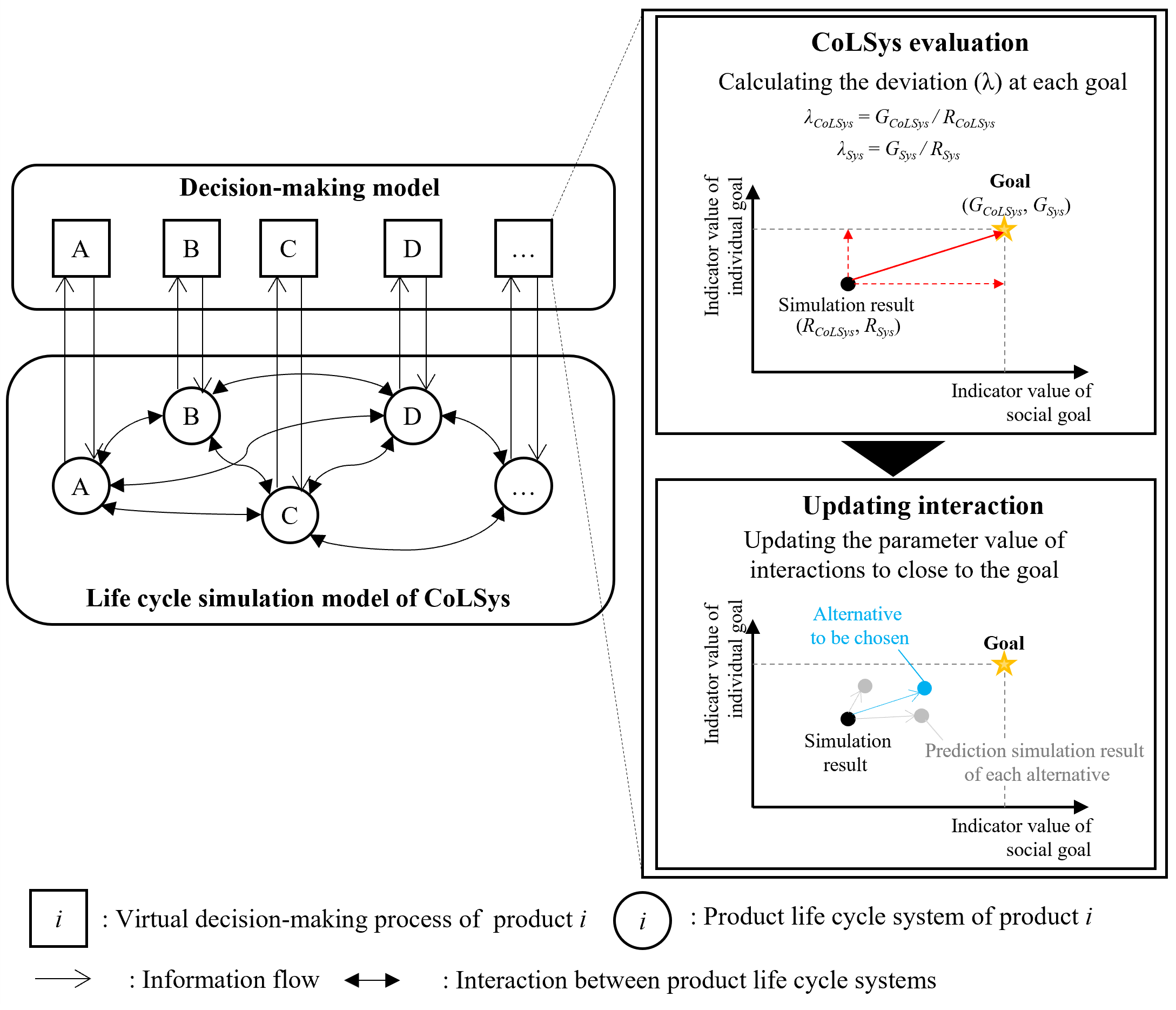
Fig. 5 Concept of simulation of Connected Lifecycle Systems with an embedded decision-making model [6]
In the real world, artifact systems are also strongly influenced by social institutions, social norms, and individual behavioral choices. Modeling all such factors within a single integrated model is not always desirable. Therefore, we propose hybrid simulation, which couples lifecycle simulations with simulation models that specialize in important exogenous factors affecting lifecycle systems [4]. For example, achieving carbon neutrality requires the gradual replacement of coal-fired power plants with renewable energy power generation. Our laboratory evaluates the impact of the electricity sector on the passenger vehicle sector by combining a power generation mix replacement simulation based on data from major domestic thermal power plants with lifecycle simulation (Fig. 6) [7].
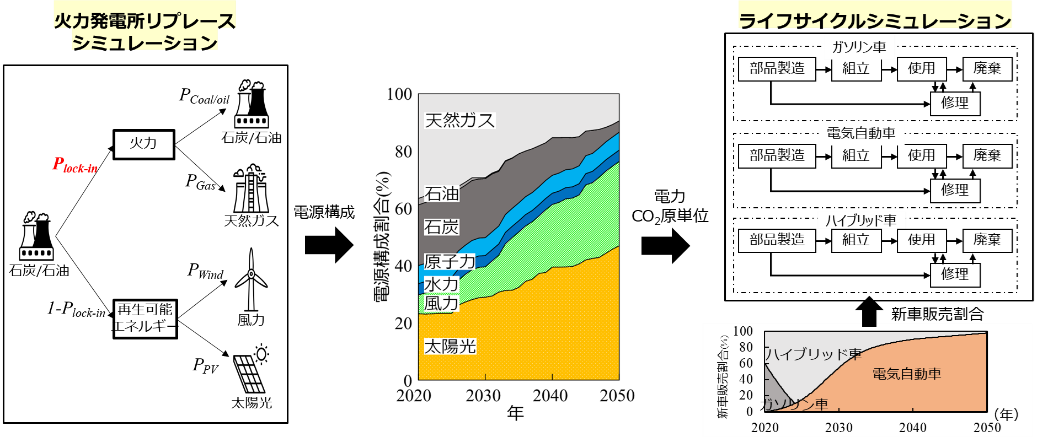
Fig. 6 Overview of hybrid simulation combining power plant replacement simulation and LCS [7]
We also develop various hybrid simulation models, such as those combining macro traffic simulation with lifecycle simulation while considering modal shifts to public transportation and the introduction of ridesharing (Fig. 7) [8]. These models dynamically analyze how changes in exogenous factors influence the behavior of material flows.
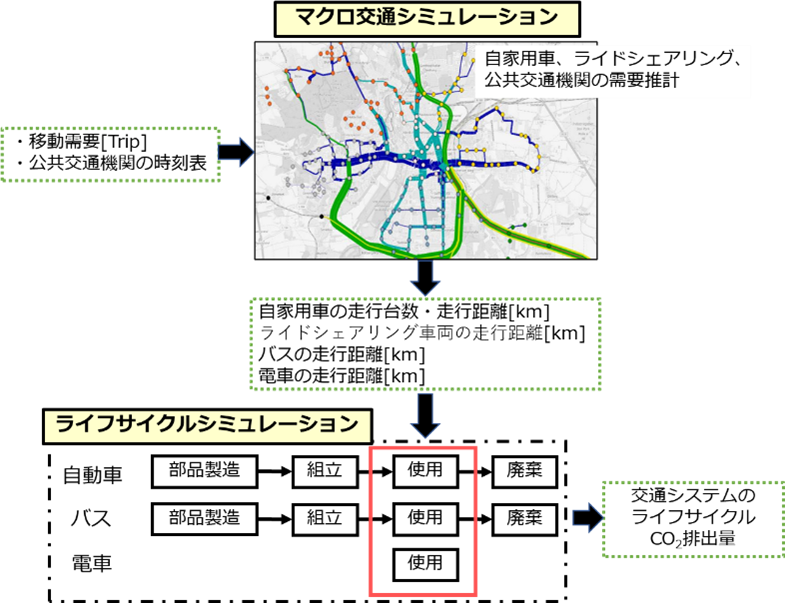
Fig. 7 Overview of hybrid simulation combining macro traffic simulation and LCS [8]
2.2 Design for Well-being
Achieving sustainability at the global level requires consideration not only of developed countries but also of developing countries. Furthermore, increasing poverty and inequality within developed countries have become major concerns. In recent years, it has also become widely recognized that the world cannot be fully understood solely through the value systems of Western societies. These issues are addressed as social sustainability challenges, and well-being is one perspective from which they can be examined.
Since the best strategies for achieving well-being differ by region, it is essential to accurately understand local characteristics. In response, our laboratory proposes a living-sphere approach that integrates the concept of satisfiers, proposed by economist Manfred Max-Neef, into the framework of design engineering. Unlike conventional market-oriented approaches, which begin with customer requirements, this approach clarifies the relationship between product functions and the fundamental human needs underlying customer requirements. It therefore represents an alternative research direction aimed at sustainable consumption, distancing itself from consumerism or sales-driven design. As shown in Fig. 8, the concept introduces “satisfiers”—abstract concepts dependent on climate, history, culture, and era—between universal basic human needs and product functions, in order to analyze how needs are fulfilled [9].
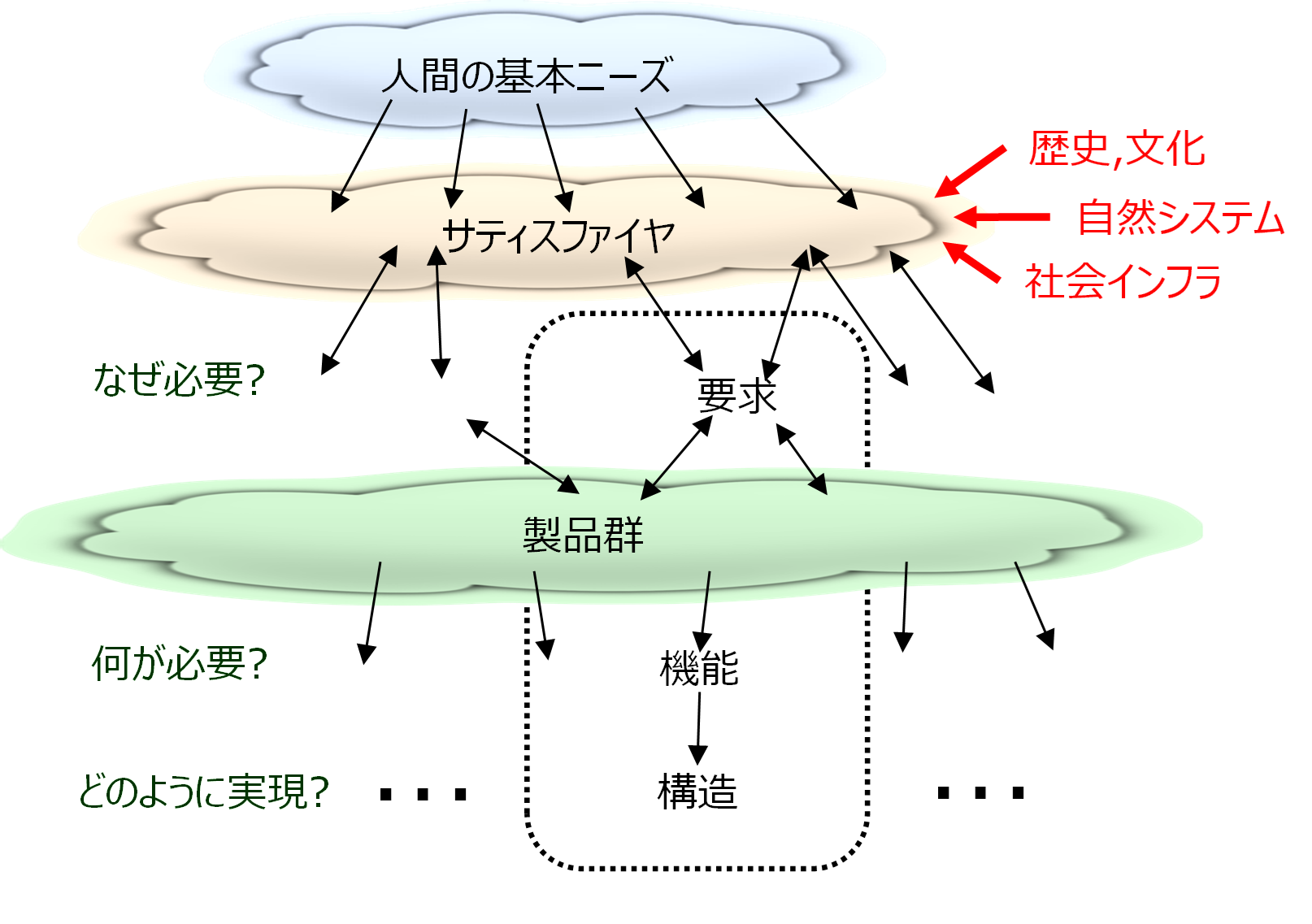
Fig. 8 Framework of the living-sphere approach [9]
Based on this approach, we developed a model to evaluate the net satisfaction of basic human needs provided by industrial products within a living sphere, and applied it to specific regions [10]. (Note that contributions from services or non-material factors such as family are outside the scope of evaluation.) Figure 9 presents an example of an evaluation targeting residents in Osaka. While product functions used in daily life provide a certain level of satisfaction of basic needs, when the negative impacts of product functions that hinder need fulfillment are also considered, the net satisfaction levels of the needs for participation, creation, and freedom decrease significantly.
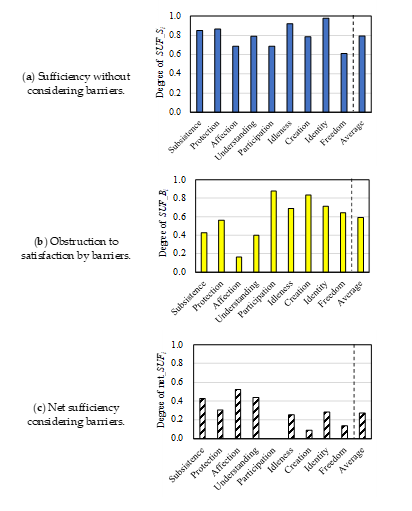
Fig. 9 Example of evaluation of need satisfaction among Osaka residents [10]
We are also conducting research on region-oriented design, which incorporates the characteristics of culturally diverse developing regions into product specifications. To support this approach, we developed a design support system based on an Extended Function–Structure Map, which links the relationships between product functions and structures with regional characteristics and product usage experiment data (Fig. 10) [11]. This system makes it possible to visualize differences in the existence and significance of products across cultural contexts, enabling designers to understand why particular functions or structures are implemented.
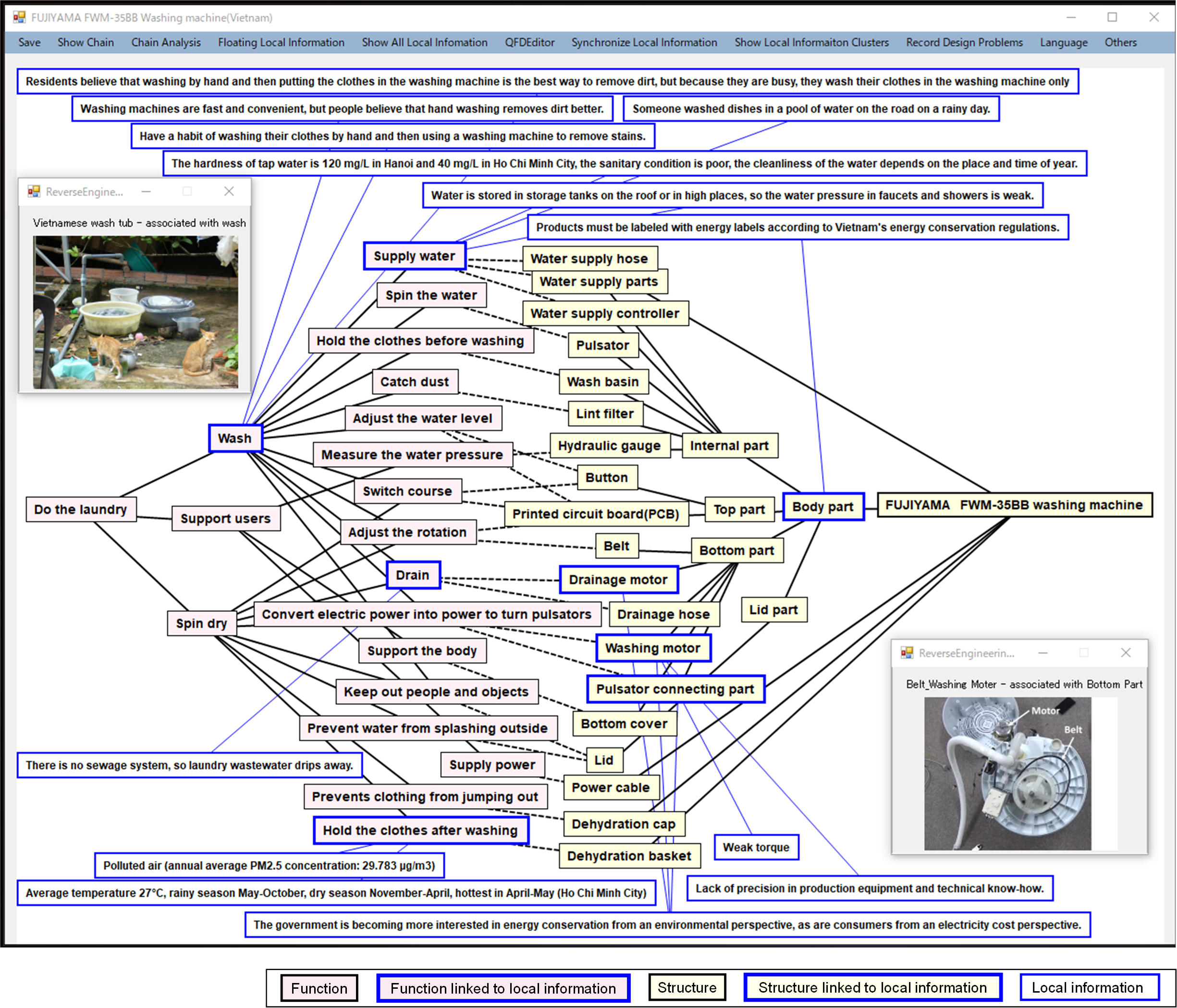
Fig. 10 Design support system using an Extended Function–Structure Map
*This English text was prepared with the assistance of AI-based translation tools.*
References
| [1] | Kobayashi, Sustainable System Design, (2022), Kyoritsu Publishing. |
| [2] | Yamada G., et al. Sustainability, 17-16, (2025), 7500. |
| [3] | Kobayashi, et al., AEI, 36, (2018), 101-111. |
| [4] | Kobayashi, et al., Procedia CIRP, 90 (2020), 388-392. |
| [5] | Murata, et al., IJAT, 12-6, (2018), 814-821. |
| [6] | Kawaguchi, et al., IJAT, 16-6, (2022), 715-726. |
| [7] | Murata, et al., IJAT, 18-6, (2024), 764-773. |
| [8] | Murata, et al., Procedia CIRP, (2026), to appear. |
| [9] | Kobayashi and Fukushige, Journal of Remanufacturing, 8-3, (2018), 103-113. |
| [10] | Kobayashi, et al., Sustainability, 17-12, (2025), 5269. |
| [11] | Kobayashi, et al., Global Environmental Research, 25-1,2 (2021), 43-50. |